
Level 5 Leadership: The Hidden Strength of Great CEOs
And the One Test That Actually Proves You've Built It
Culture / July 2026 / Albert Assad
Researcher Jim Collins spent years studying companies that made the leap from good to great, and he found something most owners don't expect. It wasn't a strategy. It wasn't a hire. It was the person at the top — and specifically, how quiet that person tended to be.
Collins called them Level 5 leaders. Every company that made the leap had one. Not a visionary who dominated the room. Not a founder whose name sat on every decision. Someone with an odd combination: real personal humility paired with a stubborn will to see the company win. Their drive wasn't pointed at themselves. It was pointed at the business.
"The real test of a Level 5 leader: how well does the company run, and keep winning, once they're gone."
This article covers what separates Level 5 leadership from the other four levels, why so many capable owners get stuck just short of it, and what it actually takes to build it.
Five Levels, One Ceiling
Collins mapped five stages of leadership capability, each building on the one before it.
A Level 1 leader contributes through individual talent and skill. Level 2 works well with others toward a shared goal. Level 3 organizes people and resources to hit the numbers. Level 4 — where most owners in this room live — drives strong performance and a clear vision, but the results depend on them being present.
Level 5 is a different animal. It's the leader who builds something that outlasts their own involvement — humility and will fused into one operating style rather than traded off against each other.
Why Owners Get Stuck at Level 4
Most owners we work with got here by being the best in the building at something. The best estimator. The best salesperson. The best craftsman on the crew. Somewhere along the way, being the smartest person in every meeting started to feel like the job itself.
It isn't. It's a structural weakness wearing the costume of value.
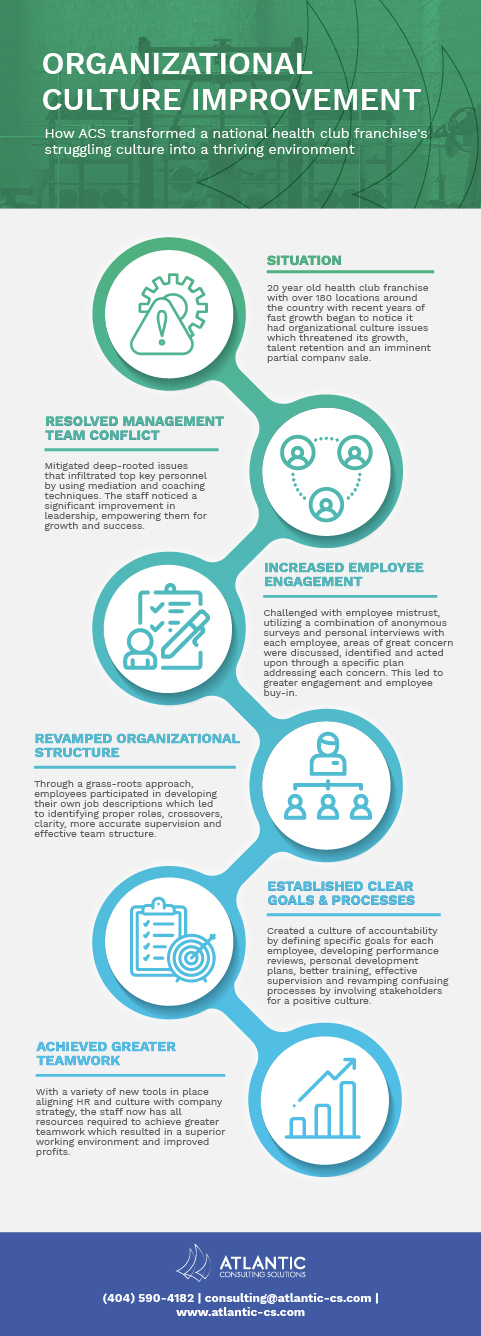
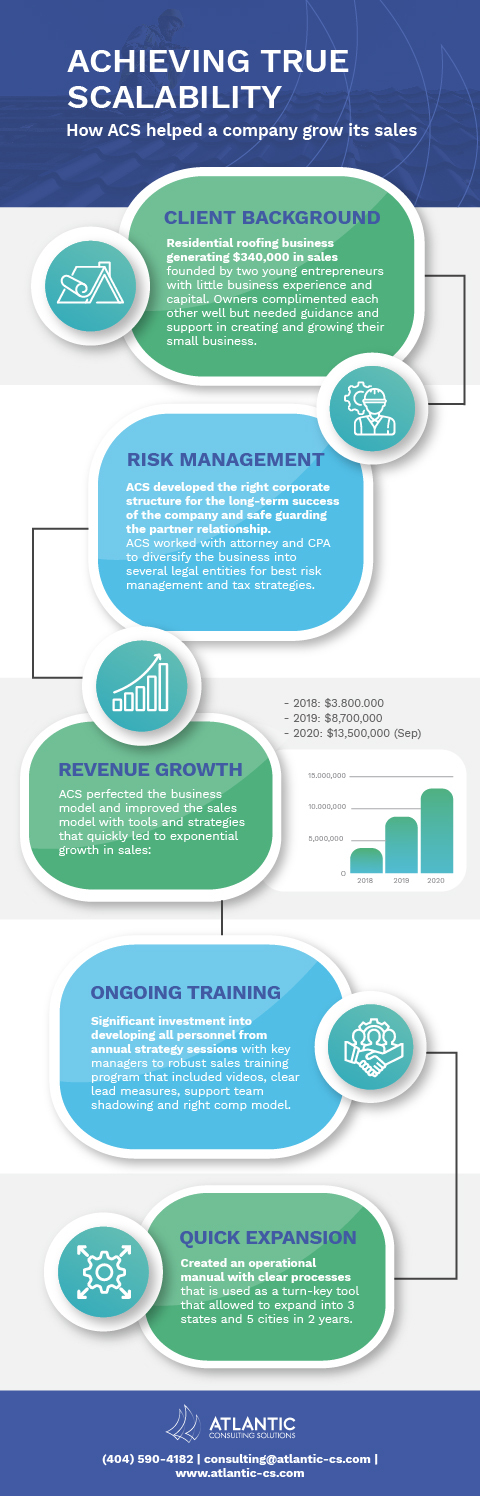
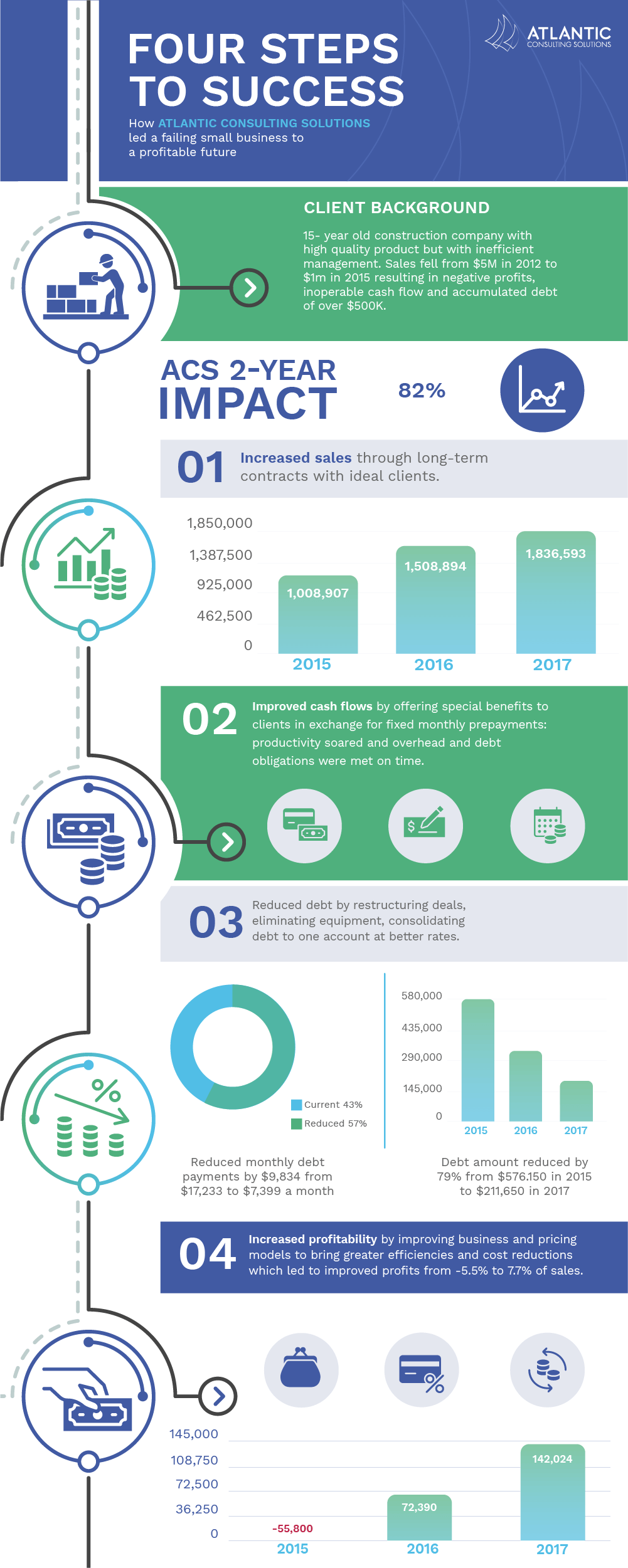
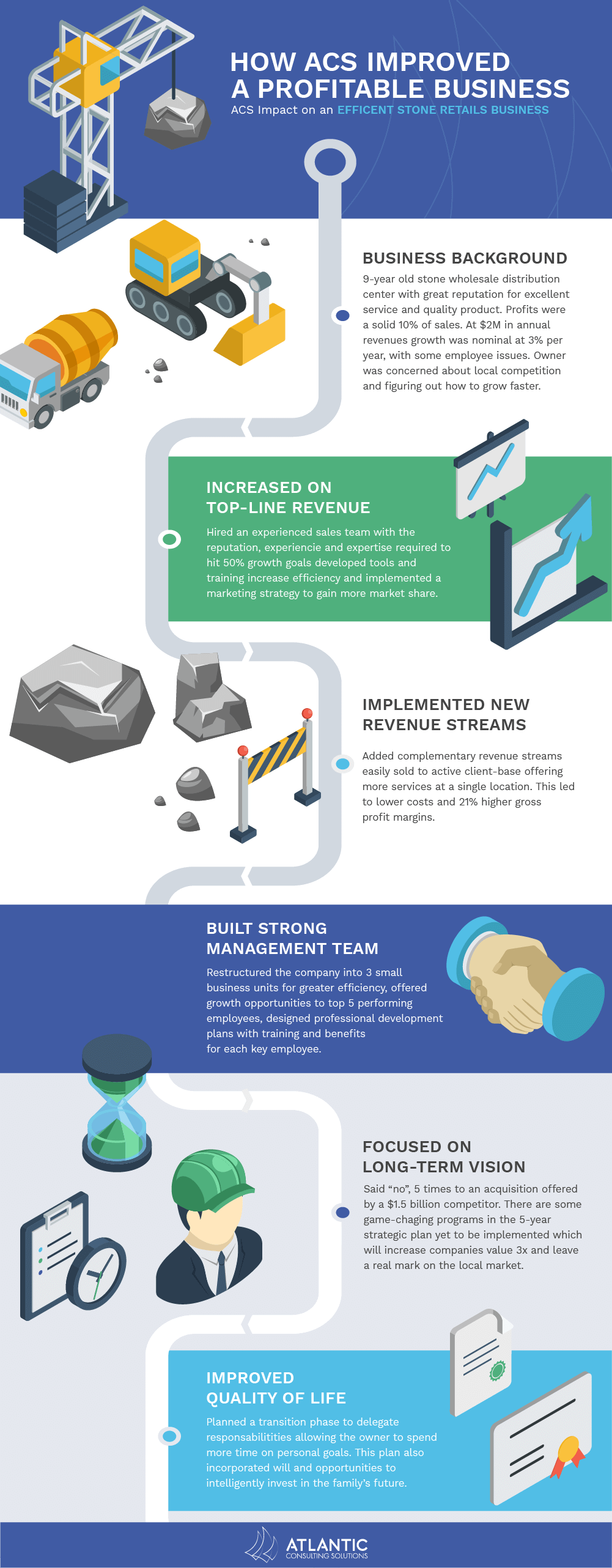
When the owner is the engine, the company can only move as fast as one person can think, decide, and sign off. This connects directly to what we cover in Scaling a Business: Why Growth Exposes Weak Processes — Collins found this exact pattern in the businesses that never made the leap: strong, capable leaders who built nothing that survived them.
The Paradox That Makes Level 5 Work
Humility, in this context, doesn't mean quiet or passive. It means pointing ego at the business instead of the self. Professional will doesn't mean domination. It means holding a standard without needing to perform holding it.
Level 5 leaders give credit away when things go right and own the blame when they don't. They look hard at the uncomfortable facts of where the business actually stands, without losing the confidence that it will get where it needs to go.
"Their ambition is for the institution first, and for themselves second." — Jim Collins
Where Culture Comes In
Here's the part most owners miss: Level 5 leadership isn't a personality trait. It's a cultural posture. Collins even noted that many of the leaders he studied were personally reserved, some even shy.
Quiet power scales because it hands judgment to the team, not just tasks. There's a real difference between a business where nothing moves until the owner signs off, and one where the team makes the right call and tells the owner about it afterward. The first is a bottleneck with a title. The second is a company. This is the same distinction we draw in Culture of Company Accountability — accountability without a defined pathway is just pressure without direction.
What Loud, Centralized Leadership Actually Costs
- Decisions stack up at the top while the opportunity behind them expires.
- Capable people leave — not because they're mistreated, but because they're managed instead of trusted.
- The owner stays buried in daily operations, unable to step back and actually run the business.
- Succession becomes nearly impossible, because the company and the person are one and the same.
- Growth stalls, not from lack of demand, but because one person's bandwidth is the ceiling.
Building Quiet Power
Collins argues most leaders already carry the seed of Level 5. It develops through honest self-reflection and deliberate practice, not a personality transplant.
In practice, that looks like a shift: from giving answers to building judgment in the people around you. It means deciding in advance which calls belong to your team, and actually letting them make those calls, mistakes included. This is the same ground we cover in Leadership Effectiveness in Management Teams — managers need the room to operate consistently within a framework before they can build that same capacity in the people they lead.
"The real test isn't whether the business runs well with you in the room. It's whether the people you've developed could run it better than you did."
The Bottom Line
Collins studied 1,435 companies. Eleven made the leap from good to great. Every one of them had a Level 5 leader at the moment it happened.
Quiet power isn't about doing less. It's about building more capacity in the people around you.
If your business still needs you in every decision, it's worth asking honestly: have you built a company, or have you built yourself a very demanding job?
A practical place to start this week: pick one decision that currently only you can make. Hand it off fully, mistakes included, and see what your team does with it. That single handoff tells you more about your leadership ceiling than any amount of thinking about it will.
If you want a structured way to build this into how your business runs day to day, that's exactly what our Culture Intelligence work is built for. We're happy to talk it through.
Business Hours
Monday-Friday: 8am to 6pm
Saturday: Closed
Sunday: Closed

*Meetings can be arranged at our office at the Atlanta Financial Center in Atlanta (Buckhead), Georgia, or at your office.